| |
| Wednesday, 16 September 2026 |
| From Jacob Epstein to the ‘Geometry of Fear’: the rise of modern,
British sculpture |
| Anna Moszynska |
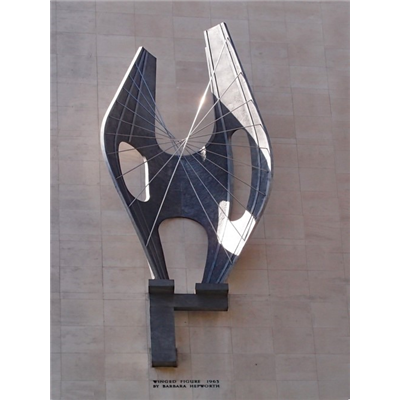 |
Winged figure Barbara Hepworth This lecture traces the exciting trajectory of sculpture in Britain during the first half of the 20th century. Across a diversity of practices - from controversial commissions for architectural embellishments (Jacob Epstein), the embrace of direct carving (Henry Moore and Barbara Hepworth) to the construction of form through welded metal (the Geometry of Fear group, including Reg Butler and Lyn Chadwick) - sculptors of this period played a pioneering role in putting modern, British sculpture firmly on the map. |
|
| Wednesday, 17 June 2026 |
| Scandinavian modern: behind the scenes |
| James Vaux |
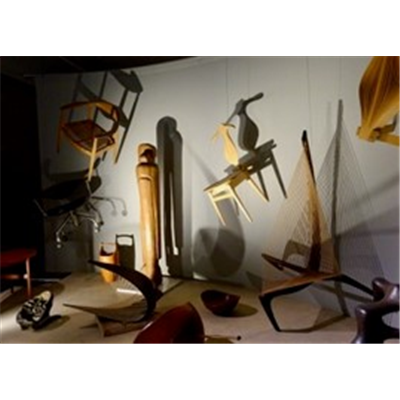 |
The Magic of Form, photo James Vaux, courtesy Designmuseum, Denmark
Why did 1950s Scandinavian modern design become so popular, taking the US and Europe by storm, and how did it turn from a revolutionary movement into just another style? And was there a dark side to it? Lurking in the shadows, there was a Nordic project to change consumer taste and shape the modern citizen, using scientific experimentation and social engineering. Using IKEA catalogues of the period, we see just how resistant consumers were to the new, state-sanctioned, clean lines. Part of The Festival of Chichester- see Useful Links for more information |
|
| Wednesday, 20 May 2026 |
| Bottoms Up - the story of alcohol in art |
| Ian Swankie |
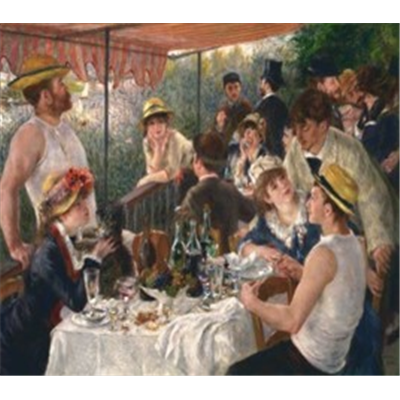 |
This is a talk about alcohol and intoxication in art. Since the early Romans and Greeks, alcohol has been an important subject for artists. We examine the way drink and drinking are depicted, the social messages portrayed, the happy and unhappy consequences, and how alcohol affected the lives of many artists, their families and friends. |
|
| Wednesday, 15 April 2026 |
| The Frick Collection, New York: a feast for the eyes |
| Hilary Williams |
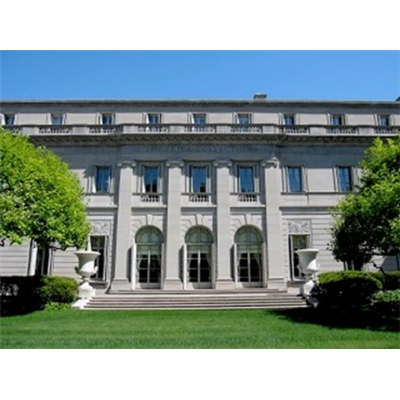 |
One of the world’s finest-quality museums, and a testament to the taste of steel magnate, Henry Clay Frick, his collection belongs largely to the early 20th century ‘gilded age’ of American connoisseurship. Frick died on the eve of WWI, having bought some of the best pieces in Europe and America. This outstanding collection includes French furniture, enamels, porcelain, and paintings by Bellini, Van Eyck, Holbein, Titian, Rembrandt, Vermeer, Van Dyck, Rubens, El Greco, Velázquez, Renoir, Turner and Constable. |
|
| Wednesday, 25 March 2026 |
| Misshapen pearl: an overview of music in the Baroque era |
| Sandy Burnett |
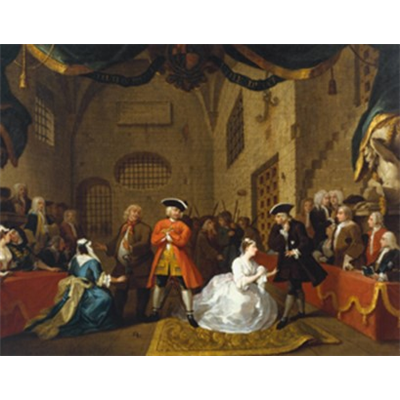 |
Starting in 1607 with Monteverdi’s astonishing opera Orfeo and ending in 1759 with the death of that great ‘English’ composer Handel, the Baroque era produced music of great brilliance and emotional depth. Sandy draws on his experience as a broadcaster, conductor and hands-on practical musician for an in-depth exploration of this fascinating period of Classical music, with hand-picked images, autograph scores and recorded musical illustrations, with a special focus on the work of JS Bach. |
|
| Wednesday, 18 February 2026 |
| Sicily: cultural crossroads |
| Richard Whincop |
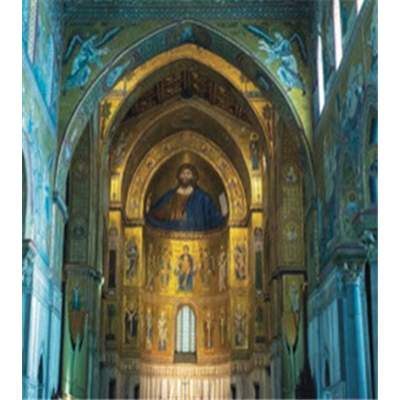 |
Before the Normans invaded Sicily in the 11th century, the island was colonised by Phoenicians, Greeks, Romans, Byzantines, Visigoths and Islamic tribes from North Africa. This lecture looks at its historic role as the crossroads of Europe, North Africa and the Middle East; and how the different cultural strands were woven together by the Normans during their remarkably enlightened rule, which saw Palermo become one of the most important cities in Europe. |
|
| Wednesday, 21 January 2026 |
| Monopoly – how well do you really know it? |
| Roger Mendham |
 |
How well do we really know one of the most successful board games ever? This talk covers its origin and then focusses on the classic 1936 London board. How were the properties selected, what’s the relationship between the members of each set and which ones don’t exist? Expect some surprises and great images, as we consider the history of familiar locations and uncover some of the mysteries of Monopoly. Learn something new about this familiar, old friend of a board game! |
|
| Wednesday, 19 November 2025 |
| Cézanne and Van Gogh: death as a career move |
| Julia Musgrave |
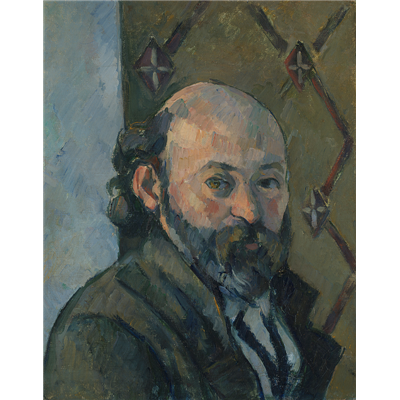 |
They made little impact on the public during their lifetimes: both were rebels, with art as their cause. Cézanne’s analytical approach led him to ponder every brushstroke. Van Gogh painted quickly, exploiting the power of vibrant colour to express his emotions. Neither sold much in their lifetime – only their artist friends appreciated the changes they initiated. Their works went from unsold to blockbuster in the early 20th century only because a few brave, but important, art dealers and critics sponsored them posthumously. |
|
| Wednesday, 15 October 2025 |
| A private palace of art: Frederic Leighton’s studio-house |
| Daniel Robbins |
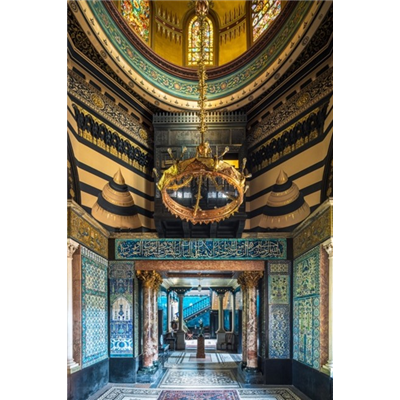 |
This is one of the most remarkable 19th century buildings. First constructed in 1860’s London, Leighton extended and embellished it over the next 30 years. He transformed his home, filling it with fascinating collections of fine and decorative art. The exotic Arab Hall, lined with Islamic tiles that Leighton collected during his travels in the Middle East, brought new fame to the building, as his reputation grew. We explore Leighton’s motivations in lavishing such attention on his studio-house. |
|
| Wednesday, 17 September 2025 |
| A picture a day: Peggy Guggenheim and the birth of mid-century Modernism |
| Jacky Klein |
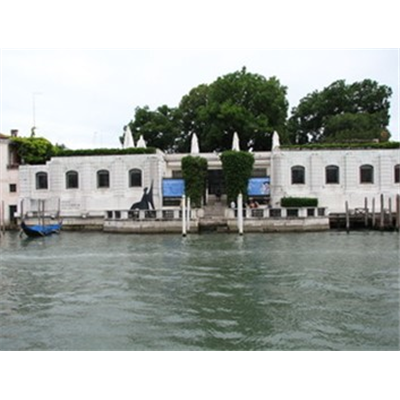 |
This is the story of how the socialite and muse Peggy Guggenheim became one of the greatest collectors in the history of modern art. Friends with the leading cultural figures of her day – Beaton, Cocteau, Hepworth, Stravinsky – she took advice from Marcel Duchamp and married artist, Max Ernst. But why and how did this NY heiress start collecting contemporary art, and how did she end up playing a pivotal role in the making of mid-century Modernism? |
|
| Wednesday, 25 June 2025 |
| The Road to Sitges: Lee Miller, Roland Penrose and Picasso |
| Antony Penrose |
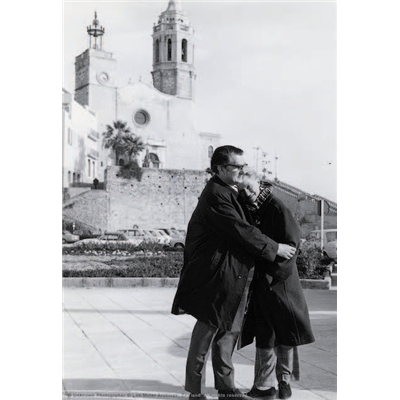 |
This journey began in pre-war Paris ending in effect in Sitges, near Barcelona in the 1970s. It tells of the intimate friendship of Miller, Penrose and Picasso, their involvement in the Spanish Civil War and WW2, as well as their rich, cultural collaboration. Art was for them a way of life, filled with political and moral significance; they shared love, passion and loyalties that never died. (Credit: Roland Penrose and Lee Miller, Stiges Spain 1972 c Courtesy Lee Miller Archives, England 2025. All rights reserved) |
|
| Wednesday, 21 May 2025 |
| Treasures of the Silk Road: the art of Asia and beyond! |
| Christopher Bradley |
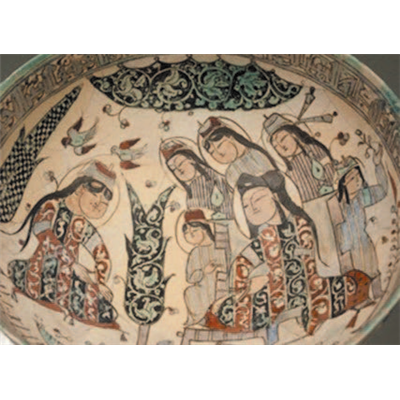 |
From China through Central Asia to the Mediterranean, 8,000kms of the Silk Road was a highway for beliefs, ideas, inventions and art, while silk was just one of many valuable commodities traded for 1,400 years. With the Greek invasion by Alexander the Great, early Persian routes spread east towards India. Chinese stability finally enabled the trade of silk, jade and ceramics, in exchange for horses, pearls and gold. |
|
| Wednesday, 16 April 2025 |
| Margaret Calvert: the woman who showed us where to go! |
| Mark Ovenden |
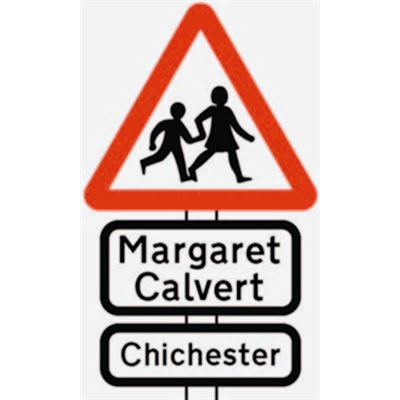 |
From the early 1960s while still a student at Chelsea Art College, Margaret Calvert worked with her graphic design tutor, Jock Kinneir. Together they designed the road sign system, from the typefaces and shapes to the colours. They created the 'look' of British Rail, and their signage was used in every hospital and NHS building. Their collaborative output transformed the entire face of modern Britain and was copied worldwide. |
|
| Wednesday, 19 March 2025 |
| Danish modernism: the Skagen artists |
| Dr Caroline Levisse |
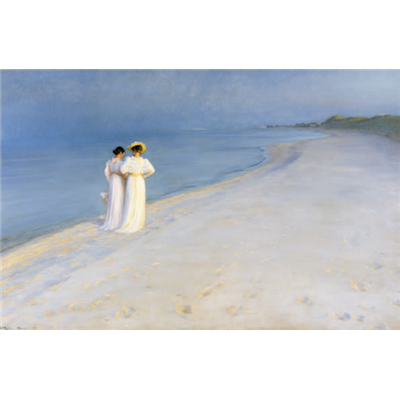 |
From the 1870s to the beginning of the 20th century, Skagen, the northernmost fishing village on the Jutland peninsula, Denmark, was home to an artists' colony. Some of its more famous members included Anna and Michael Ancher, Marie and Peder Severin Krer, and Laurits Tuxen. Reacting against styles enforced by the Academies and instead influenced by French modernism, they painted en plein air, representing scenes from ordinary life. |
|
| Sunday, 09 February 2025 |
| The Great Exhibition: its roots, success and legacy |
| Dr Prasannajit de Silva |
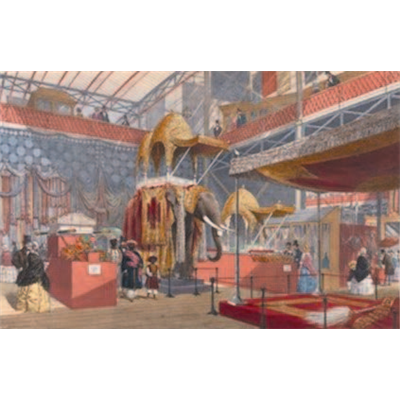 |
Often regarded as a grand statement of Victorian technological prowess and self-confidence, the Exhibition grew out of a widespread concern about the state of British industrial design. What were the real aims of the Exhibition, and how were they fulfilled? What concerns did such a radical event raise for Victorian society? What was it like for visitors? Why was it such a huge success and what was its lasting impact? |
|
| Wednesday, 15 January 2025 |
| Tinker, tailor, canvas, chair: how modernism became a secret weapon |
| James Vaux |
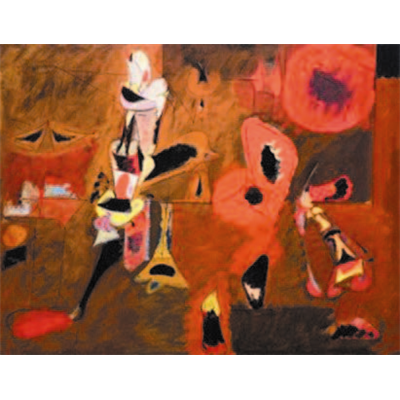 |
This is one of the strangest tales in art history. Is it true that the CIA used Abstract Expressionism as a secret weapon against the USSR in the Cold War? Would Pollock and Rothko be forgotten today were it not for this subterfuge? And how did American design nearly cause Nixon and Khrushchev to come to blows… in a kitchen? |
|